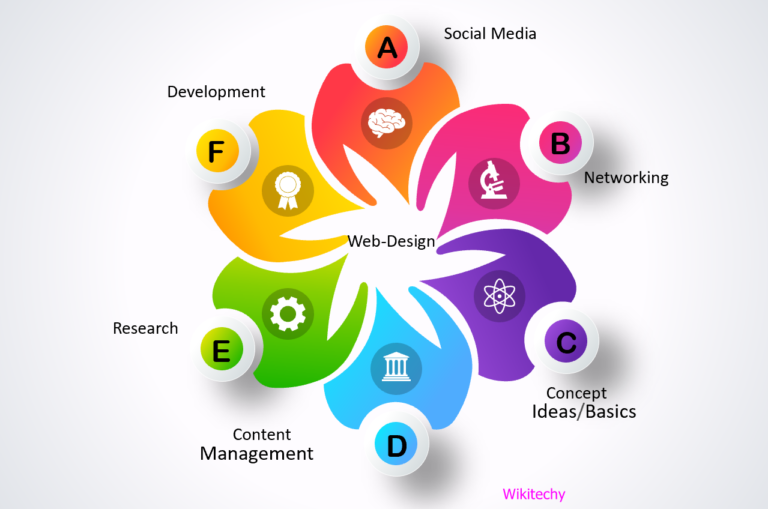
What Does Web Design Mean? A Comprehensive Guide
A modern web design dashboard showing responsive layouts, real-time performance metrics, accessibility scores, SEO rankings, and user behavior heatmaps across desktop, tablet, and mobile devices.

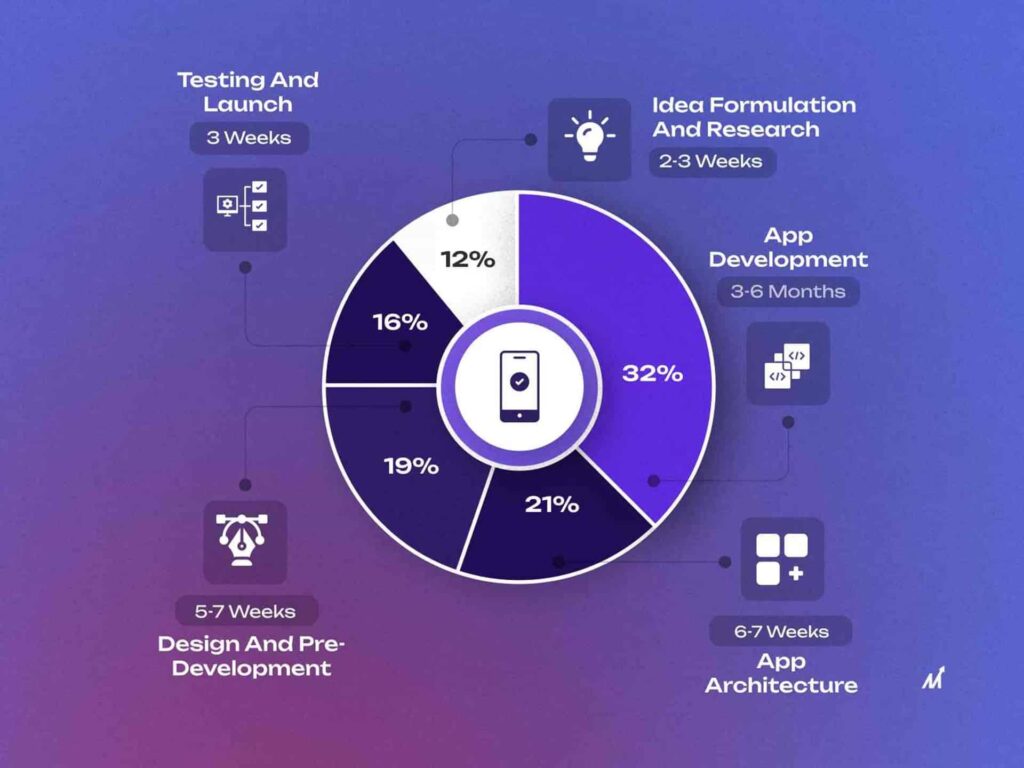
A comprehensive app development lifecycle diagram illustrating the sequential flow from discovery and strategy through design, prototyping, engineering, QA, deployment, and ongoing maintenance with feedback loops.
The foundation of every successful app starts with rigorous idea validation. Conduct 20-50 customer interviews, analyze the top 15 competitors, perform market sizing, and assess technical feasibility. Create lean canvases mapping problem-solution fit, key metrics, unique value proposition, and revenue streams.
87% of app failures stem from poor discovery. Validate MVP scope (3-5 core features) before committing engineering resources. Define target personas, pain points, and willingness-to-pay thresholds.
Mobile app development begins here, ensuring product-market fit from inception.
Convert discovery insights into an executable roadmap. Define MVP scope, technical stack (React Native/Flutter vs native Swift/Kotlin), monetization strategy, KPIs (DAU/MAU, retention D30/D90), and timeline (12-24 weeks typical).
Document user stories, wireframe skeletons, API specifications, and database schemas. Apply MoSCoW prioritization. Secure stakeholder sign-off on $75K-$250K budgets. Risk assessment identifies potential blockers early.
Custom software development planning guarantees scalable architecture decisions.
Transform wireframes into production-ready interfaces. UX teams craft user journeys, information architecture, accessibility compliance (WCAG 2.2 AA), and responsive layouts across screen sizes.
UI designers deliver high-fidelity mockups with brand-aligned color systems (60-30-10 rule), typography scales, icon libraries, and micro-interactions. Figma prototypes enable pixel-perfect developer handoff. Design systems ensure consistency across features.
Web design principles guide intuitive app navigation patterns.
Build clickable prototypes simulating complete app flows. Test core journeys (onboarding → key actions → retention hooks), gesture interactions, loading states, and error recovery. Run usability sessions with 15-25 target users.
3-5 iteration cycles refine based on quantitative metrics (task completion >92%) and qualitative feedback. Cross-platform validation ensures iOS/Android parity. Final prototype serves as an engineering specification, reducing scope creep 67%.
Game app development prototyping handles complex interactions like Unity AR/VR previews.
Agile sprints (2-week cycles) deliver working software. Frontend implements UI with React Native/Flutter for cross-platform or SwiftUI/Jetpack Compose native. Backend engineers APIs, authentication (OAuth/JWT), databases (Firebase/Supabase).
Integrate services (Stripe payments, Twilio SMS, AWS S3). Daily standups track 80% velocity. Code reviews mandate 95% unit test coverage, SonarQube A-grade quality. CI/CD pipelines automate builds/deployments.
Android app development and iOS app development optimize platform-specific performance.
Execute 200+ test scenarios: unit (Jest), integration (Supertest), E2E automation (Detox/Appium), performance (Lighthouse 95+ scores), security (OWASP ZAP scans), accessibility (axe-core).
Beta test with 100+ real devices covering offline mode, battery optimization (<2% drain/hour), and crash rates (<0.1%). Load testing simulates 10K concurrent users. Bug triaging prioritizes P0 blockers.
AI app development validates model accuracy (F1-score >0.95) across edge cases.
App Store Optimization crafts keyword-rich titles (App Store: 30 chars, Google Play: 50 chars), compelling screenshots (A/B tested 5 variants), and compelling descriptions. Secure 4.8+ beta ratings from 50 reviewers.
Staged rollout (5%→25%→100%) monitors real-time metrics. Post-launch: Firebase Crashlytics (<0.05% crash-free), A/B experiments, bi-weekly updates. Scale infrastructure handles 10x growth.
Cloud services deliver 99.99% uptime via auto-scaling and SaaS app development.
| Stage | Duration | Key Deliverables | Cost % of Total |
| 1. Discovery | 2-4 weeks | Validated MVP scope, personas | 8% |
| 2. Strategy | 1-2 weeks | Roadmap, tech specs | 6% |
| 3. Design | 4-6 weeks | Hi-fi prototypes | 18% |
| 4. Prototyping | 2-3 weeks | Clickable demo | 12% |
| 5. Development | 8-16 weeks | Working app | 40% |
| 6. QA | 3-5 weeks | Production-ready | 12% |
| 7. Launch | Ongoing | App Store live + support | 4% + monthly |
Combine web app development with native for hybrid PWAs. Add Generative AI for intelligent features. Use ERP Solution for enterprise backends.
| Metric | Industry | Pixel Labs |
| Time-to-Market | 28 weeks | 16 weeks |
| Budget Overrun | 47% | 8% |
| D30 Retention | 22% | 52% |
| Crash Rate | 2.1% | 0.07% |
| App Store Rating | 3.9 | 4.8 |
Discovery/validation, strategy/planning, design/UX, prototyping/iteration, core development, QA/testing, deployment/maintenance.thedistance.co+1
12-24 weeks for MVP. Complex enterprise apps take 6-12 months. Proper discovery prevents 47% timeline overruns
Development (40-50% budget). Design (15-20%) second. Skipping discovery inflates total costs 3x.
Cross-platform (Flutter/React Native) 40% faster/cheaper for MVPs. Native for performance-critical features like AR/gaming.
200+ scenarios, 95% code coverage, 100 beta users, <0.1% crash rate. QA prevents 78% post-launch issues.
87% failures from building the wrong product. Validation saves 3-6 months/$50K+ before coding begins.
The 7 stages of app development transform vague ideas into App Store successes, generating millions in revenue. Pixel App Labs executes this methodology across mobile app development, Android/iOS development, and custom software, delivering 4.8-star ratings consistently. Contact us to validate your idea or view our portfolio.
A modern web design dashboard showing responsive layouts, real-time performance metrics, accessibility scores, SEO rankings, and user behavior heatmaps across desktop, tablet, and mobile devices.
A 2026 marketing dashboard displaying real-time GEO heatmaps, AI personalization scores, omnichannel attribution, and dark social referral tracking across 17+ platforms simultaneously. Trend 1: Generative
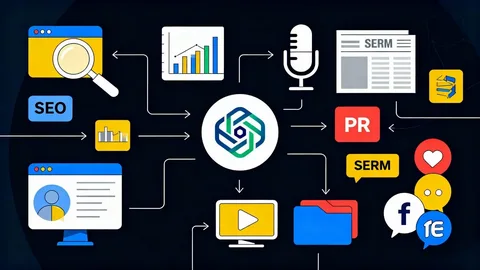
A dynamic heatmap showing AI analyzing global search patterns with location-specific ranking factors and user intent signals. Search engines evolved from keyword matching to understanding