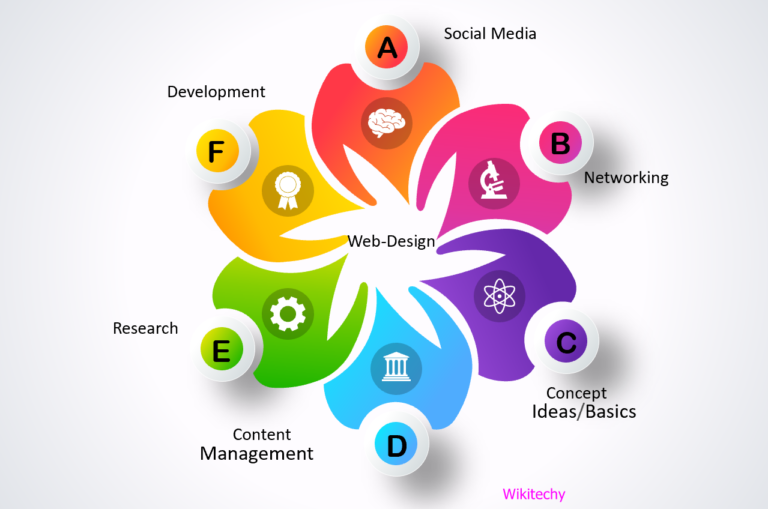
What Does Web Design Mean? A Comprehensive Guide
A modern web design dashboard showing responsive layouts, real-time performance metrics, accessibility scores, SEO rankings, and user behavior heatmaps across desktop, tablet, and mobile devices.

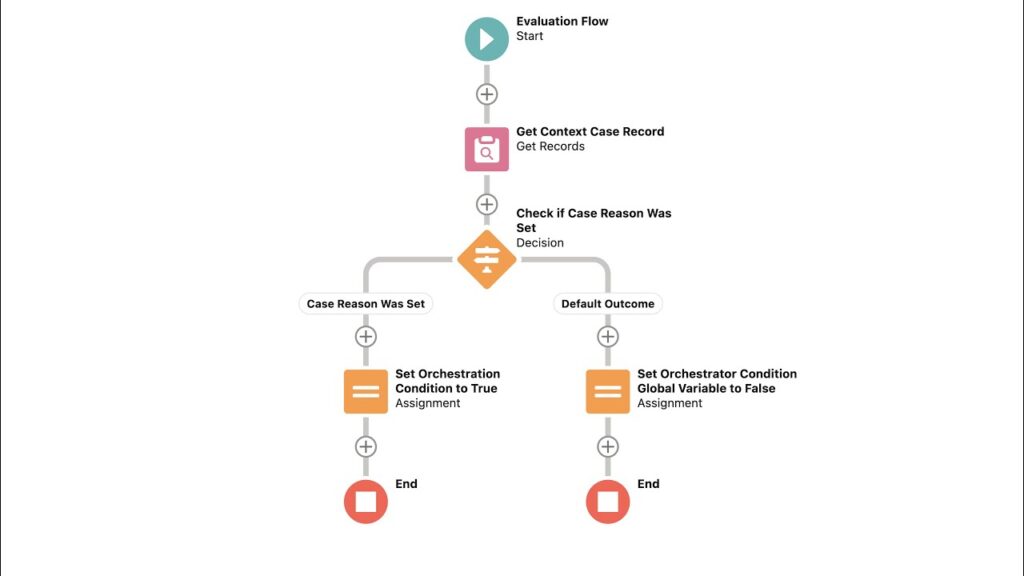
Did you know that a digital marketing team uses AI automation dashboards to manage campaign workflows across multiple channels?
But you wonder, “Why Intelligent Workflow Orchestration Matters Now?”
Here’s the thing: digital marketing moves fast. Teams are expected to plan, create, launch, optimize, and report across more channels than ever before. That pressure makes manual coordination expensive, slow, and easy to break.
Intelligent workflow orchestration solves that problem by integrating tasks, data, and decision points into a single adaptive system. When you pair it with autonomous AI automation pipelines, your marketing operations become smarter, faster, and easier to scale.
Workflow orchestration is the process of managing connected tasks in the right order, with the right rules, at the right time. In digital marketing, that can include audience research, content creation, approval routing, ad deployment, lead scoring, email follow-up, and reporting.
Autonomous AI automation pipelines take that further. Instead of simply moving tasks from one step to another, they can analyze inputs, choose next actions, adapt to performance signals, and keep campaigns moving with less human friction.
An automated marketing workflow showing content, ads, email, analytics, and CRM actions connected in one flow.
Traditional automation follows fixed rules. If this happens, then do that. That works for simple tasks, but marketing rarely stays simple for long.
AI adds judgment to the process. It can classify leads, suggest content variants, detect poor-performing ads, route tasks based on priority, and trigger changes when behavior shifts. That means your workflow is no longer just automated. It becomes responsive.
AI is already reshaping how businesses generate and qualify leads, which makes this topic especially relevant to How AI Is Changing SEO, PPC, and Lead Generation – Local Businesses Must Go Beyond Google.
Some marketing jobs are especially well-suited to intelligent orchestration. These are the ones that involve repetition, timing, branching logic, or multiple systems.
When these tasks are connected into one pipeline, your team spends less time chasing updates and more time improving results.
A strong digital marketing system usually has several layers working together. Each layer serves a different purpose, but they need to stay connected.
| Layer | Purpose | Marketing Example | Business Value |
| Data layer | Collects information from channels and tools | Website events, ad clicks, CRM data | Better visibility |
| Logic layer | Decides what happens next | If the lead score rises, notify sales | Faster response |
| AI layer | Predicts, classifies, or recommends actions | Suggests subject lines or audience segments | Smarter decisions |
| Execution layer | Carries out the task | Send email, update CRM, launch ad | Less manual work |
This structure keeps campaigns organized while still allowing room for intelligent actions. It also makes it easier to scale without rebuilding everything from scratch.
Autonomous pipelines are most powerful when marketing teams need constant movement across multiple systems. For example, a new lead can enter from a landing page, be scored by AI, routed to the right sequence, and followed up automatically based on behavior.
That same pipeline can also detect when a lead goes cold, shift them into a re-engagement flow, and alert sales if engagement returns. The result is a living system instead of a static process. Teams that need this kind of connected automation can also explore internal business app development to build more custom operational workflows.
A dashboard showing leads moving through scoring, nurturing, and sales handoff steps in a marketing pipeline.
Intelligent orchestration offers practical advantages that marketing teams feel immediately.
These gains matter because marketing performance often depends on speed and consistency. A delayed follow-up or a missed audience update can cost revenue.
Content teams often juggle briefs, drafts, reviews, publishing, and repurposing. A workflow orchestration layer can move a piece of content through all these stages automatically.
For example, once a keyword brief is approved, the system can generate a draft outline, notify the writer, send the draft for editing, route it to design, schedule social promotion, and monitor performance after publishing. If the page underperforms, the pipeline can trigger a content refresh task. Teams that want to strengthen this process can also explore search engine optimization to connect content strategy with visibility and performance.
Paid advertising benefits from intelligent automation because it depends on timing and signal monitoring. AI can spot patterns in spend, conversion rate, and audience engagement faster than a human reviewing dashboards once a day.
A pipeline can pause weak ads, increase budget on strong performers, and notify the team when creative fatigue appears. That gives marketers more control without forcing them to manage every adjustment manually. For a broader campaign strategy, digital marketing is the most relevant internal link here.
Email marketing is another strong fit. A pipeline can segment users based on actions, score their intent, and deliver the right sequence at the right time.
If someone downloads a guide, opens three follow-up emails, and visits a pricing page, the system can move them into a higher-intent journey automatically. That kind of orchestration improves relevance and reduces wasted sends.
Not every automated workflow is intelligent. A smart pipeline usually includes four things:
Without feedback, automation becomes rigid. With feedback, it improves over time. That is the difference between doing work automatically and doing work adaptively.
Table: Simple Automation vs Intelligent Orchestration
| Feature | Basic Automation | Intelligent Orchestration |
| Decision-making | Fixed rules | AI-assisted and adaptive |
| Flexibility | Low | High |
| Personalization | Limited | Strong |
| Optimization | Manual | Continuous |
| Scaling | Harder | Easier |
| Business impact | Task completion | Workflow intelligence |
This comparison shows why more teams are moving beyond simple automation. They need systems that can respond to changing customer behavior, not just repeat predefined steps.
A good digital marketing orchestration system does not start with tools. It starts with process clarity. You need to know what your team does, where delays happen, and which decisions can be automated safely.
Start by mapping the full journey from lead generation to conversion and retention. Then identify bottlenecks, repetitive tasks, approval delays, and moments where AI can help. Build the pipeline around those real pain points instead of trying to automate everything at once. Teams ready to design that kind of connected system can also explore custom software development for a more tailored solution.
Most orchestration systems combine several tool types. The exact stack depends on your business, but the common categories are similar.
The goal is not tool overload. The goal is clean connections between systems so data can move without friction.
If your brand needs the infrastructure behind these workflows, custom software development and internal business app development can support the process layer.
Even strong workflows can fail if they are poorly designed. Too much automation can create blind spots, especially if teams stop reviewing outputs.
Common risks include bad data, weak governance, over-automation, and disconnected tools. Another risk is using AI for decisions that still need human approval. The safest approach is to automate repeatable work first, then add intelligence where the business logic is clear.
A marketing operations team reviewing an AI-generated workflow map before launch.
It is the structured coordination of marketing tasks, data, and decisions across tools and teams. It helps campaigns move smoothly from one step to the next with less manual work.
They analyze data, make routine decisions, and trigger actions automatically. That improves speed, personalization, and campaign consistency.
Lead routing, email journeys, reporting, and campaign monitoring are usually the best starting points. They are repetitive and deliver fast operational wins.
No. AI supports teams by handling repetitive work and providing decision support. Strategy, creativity, and brand judgment still need people.
Track response time, conversion rates, campaign efficiency, and time saved. You should also look at workflow reliability and fewer manual errors.
Intelligent workflow orchestration gives digital marketing teams a cleaner way to work, while autonomous AI automation pipelines help every step move with more speed and precision.
When your systems can think, adapt, and act together, you spend less time managing busywork and more time growing revenue. If your marketing operations are ready for a smarter setup, Pixel App Labs can help you build the right flow with the right tools, so your team can focus on growth instead of friction.
A modern web design dashboard showing responsive layouts, real-time performance metrics, accessibility scores, SEO rankings, and user behavior heatmaps across desktop, tablet, and mobile devices.
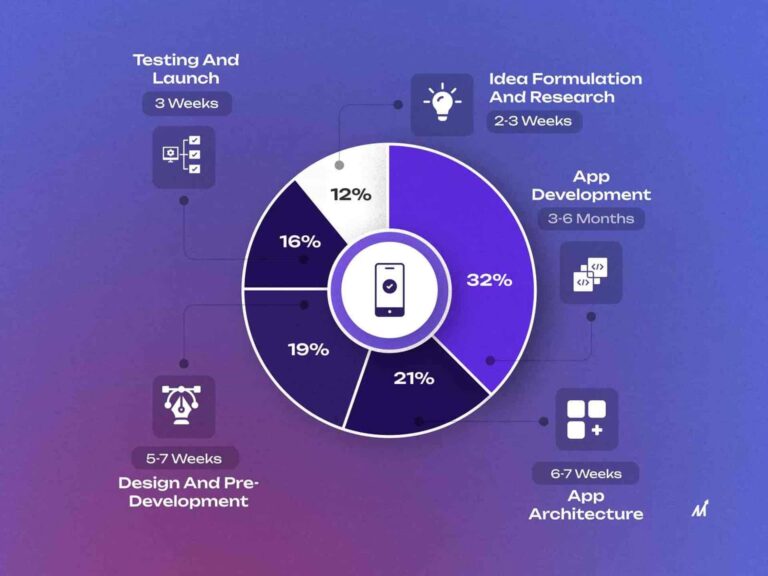
A comprehensive app development lifecycle diagram illustrating the sequential flow from discovery and strategy through design, prototyping, engineering, QA, deployment, and ongoing maintenance with feedback
A 2026 marketing dashboard displaying real-time GEO heatmaps, AI personalization scores, omnichannel attribution, and dark social referral tracking across 17+ platforms simultaneously. Trend 1: Generative